Provincial Licensing Rules and How They Alter Bonus Payout Structures on Mobile Platforms for Western Canadian Users
Frankie Fischer · Sep 3, 2026
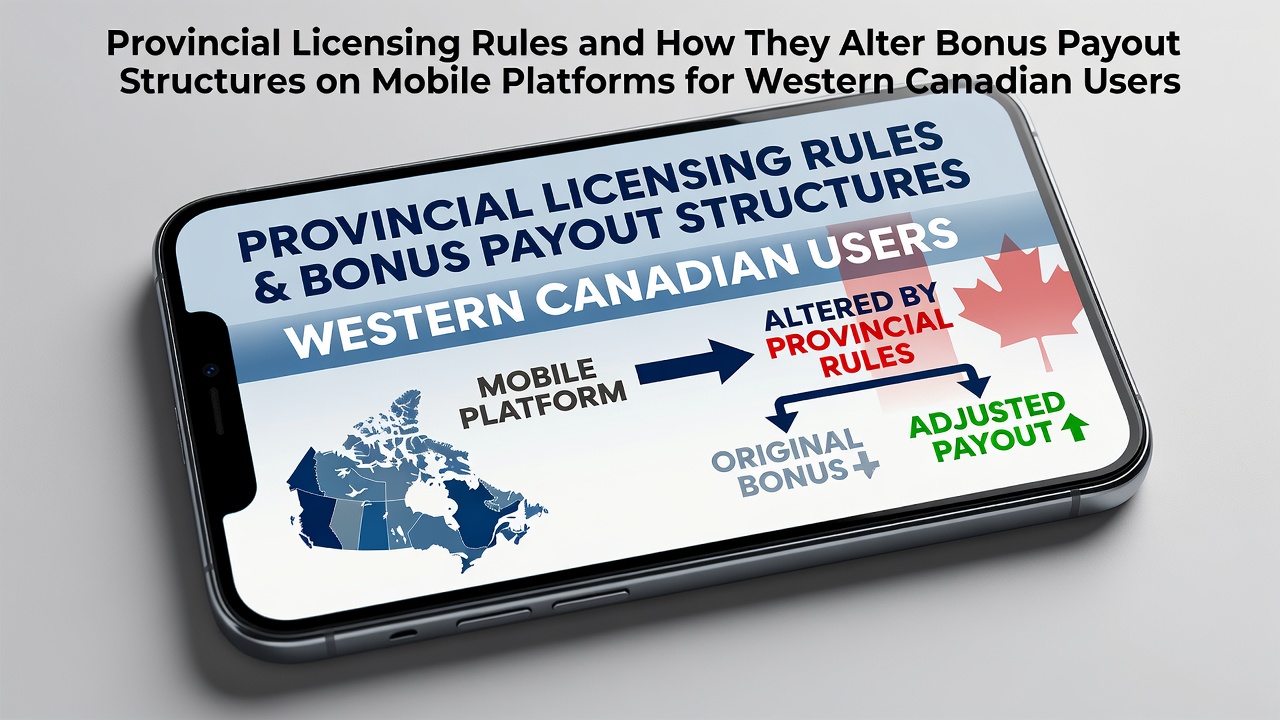
Provincial Licensing Rules and How They Alter Bonus Payout Structures on Mobile Platforms for Western Canadian Users
Provincial licensing frameworks across Western Canada create distinct requirements that directly shape bonus payout structures on mobile betting platforms, and these rules vary significantly from one jurisdiction to another while mobile operators must comply with each set of standards to operate legally.
Alberta's Regulatory Framework and Mobile Bonus Adjustments
The Alberta Gaming, Liquor and Cannabis commission enforces specific conditions on bonus offers that operators must integrate into their mobile applications, which means wagering requirements often tie directly to provincial revenue reporting standards and operators adjust payout timelines accordingly. Data from the commission shows that bonus funds cannot exceed certain percentages of deposits in some cases, and this forces platforms to redesign their reward systems for users in the province. Observers note that these constraints lead operators to offer tiered bonuses where initial payouts release in stages rather than as lump sums, and mobile users frequently encounter verification steps that align with AGLC audit protocols.
British Columbia's Approach to Bonus Structures
Meanwhile the British Columbia Lottery Corporation applies its own licensing criteria that emphasize consumer protection metrics, and this influences how mobile platforms calculate and distribute bonus amounts for users in that province. Research from industry reports indicates that BCLC rules require clear separation between bonus funds and real money balances on apps, which alters payout structures by preventing automatic conversions until specific playthrough thresholds are met. Those who have reviewed the regulations find that operators often implement province-specific filters in their software so that British Columbia residents see modified bonus terms compared to users elsewhere.
Cross-Provincial Variations in Saskatchewan and Manitoba
Saskatchewan and Manitoba maintain separate licensing bodies that impose additional layers of oversight on mobile bonus programs, and operators respond by customizing payout schedules to satisfy each province's reporting deadlines. Figures from regulatory filings reveal that Manitoba's rules sometimes mandate minimum bonus contribution rates toward jackpots, which changes how platforms structure their reward releases on mobile devices. In Saskatchewan the emphasis falls on transparency in bonus expiration dates, and this leads apps to display province-tailored notifications that affect when users can access payout portions of their bonuses.
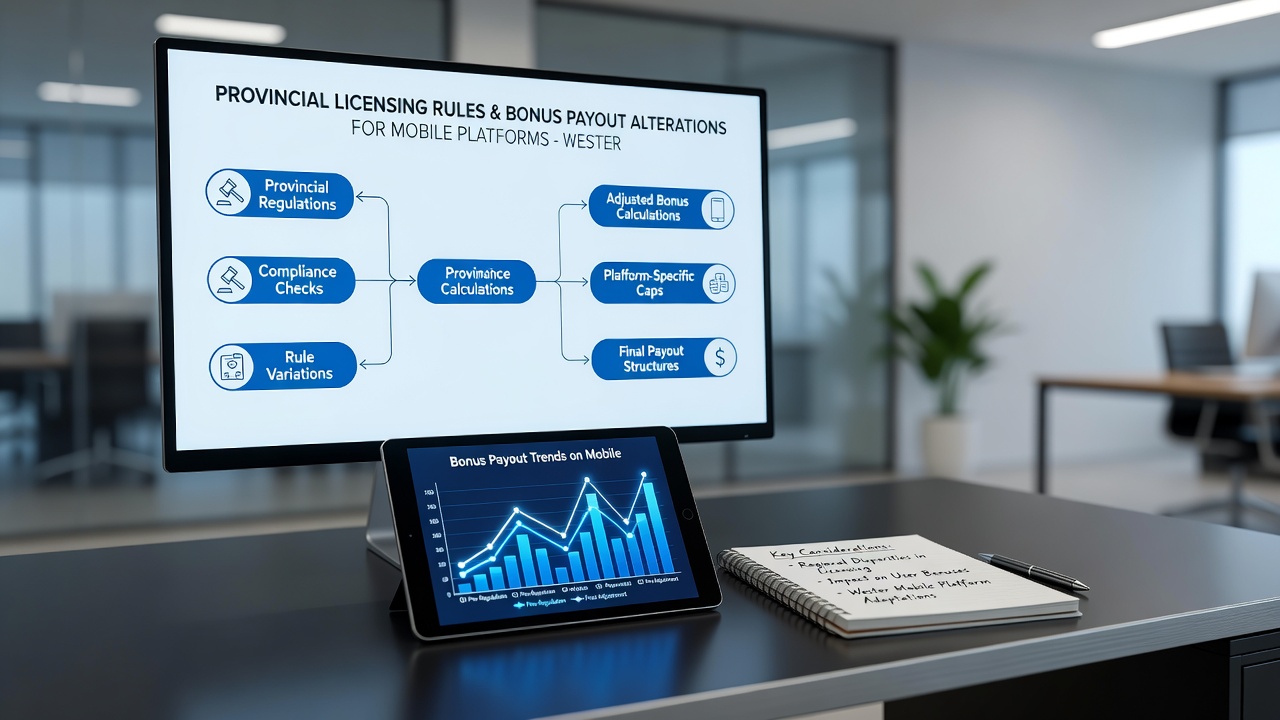
Operators that serve multiple provinces therefore maintain dynamic systems that detect user location and apply the corresponding bonus rules automatically, and this technical adaptation ensures compliance while preserving platform functionality across borders. Studies from Canadian gaming associations highlight that such location-based adjustments have become standard practice since mobile adoption rates increased in the region.
Impact on Mobile Platform Operations and User Experiences
Those who analyze licensing documents observe that payout structures often incorporate mandatory cooling-off periods tied to provincial rules, and mobile platforms embed these delays into their bonus release mechanisms to avoid regulatory penalties. Data indicates that September 2026 marks the scheduled review period for several Western Canadian licensing agreements, and operators are preparing updates that may further refine how bonuses calculate across provinces. Industry organizations such as the Alberta Gaming, Liquor and Cannabis have published guidelines that detail these evolving requirements, while academic research from institutions in the region examines the resulting technical implementations on mobile systems.
Platforms must also align bonus taxation reporting with each province's standards, which adds another dimension to payout structuring because operators track and report winnings differently depending on the user's registered location. Research indicates that these layered obligations encourage the development of modular software architectures that can handle multiple regulatory environments simultaneously without disrupting user access.
Conclusion
Provincial licensing rules continue to drive modifications in bonus payout structures on mobile platforms for Western Canadian users, and operators maintain ongoing compliance efforts that reflect the distinct requirements of each jurisdiction. The interplay between these regulations and mobile technology creates a landscape where bonus terms adjust based on location, and data from regulatory sources demonstrates the measurable effects on how rewards reach users across Alberta, British Columbia, Saskatchewan, and Manitoba. As updates approach in September 2026, observers expect further refinements that will shape these systems in the coming period.