Kambi Report Details Betting Shifts Ahead of 2026 World Cup
Finley Lang · Aug 18, 2026
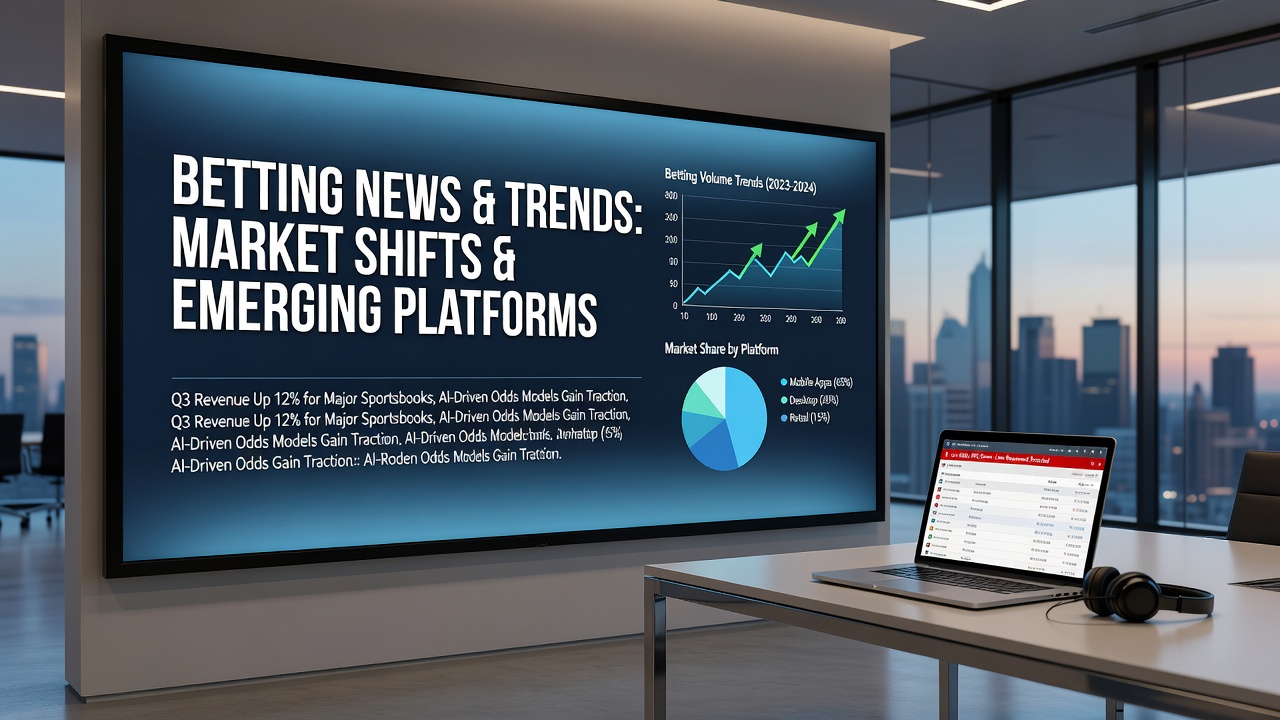
Kambi Report Details Betting Shifts Ahead of 2026 World Cup
Analysts at Kambi examined betting patterns across its network during the lead-up to the 2026 FIFA World Cup and recorded more than 100 million wagers placed in total, according to the company's latest data release. The figures show clear movement toward customizable options that let users combine multiple elements within a single bet slip, while player-specific markets gained traction and live in-play activity accelerated as matches progressed.
Bet Builder Usage Expands Sharply
Bet Builder products accounted for 35 percent of all bets in the dataset, a marked increase from the 17 percent share recorded during the 2022 tournament. Operators observed that customers who built their own combinations returned to the platform more frequently between major events, sustaining volume even when no high-profile matches were scheduled. The report notes that these tools allow selections across different markets on the same fixture or across multiple games, which appears to match changing user preferences for tailored experiences rather than standard pre-match wagers.
Player Props Feature in Most Custom Bets
Within the Bet Builder segment, 65 percent of tickets included at least one player prop, such as shots on target, assists, or cards shown to an individual athlete. Data indicates that bettors increasingly focus on granular statistics tied to star performers instead of broader team outcomes. This pattern emerged consistently across group-stage and knockout matches, suggesting the trend may continue into future international tournaments. Those reviewing the numbers point out that player prop integration adds layers of engagement without requiring users to navigate separate bet types.
Live Betting Shows Greater Fluidity
Dynamic in-play markets handled a larger share of overall activity compared with previous cycles, driven by real-time odds updates that reflected match developments within seconds. Bettors placed wagers during halves and at half-time intervals at higher rates, often adjusting existing positions or opening new ones based on live events. The report highlights how these adjustments contributed to elevated session lengths and repeated visits on match days, particularly when games featured multiple lead changes or disciplinary actions.

Retention Patterns Beyond Tournament Windows
Personalized features correlated with improved retention metrics once the World Cup concluded, as customers continued using the same Bet Builder and prop tools on domestic leagues and other sports. Kambi's analysis found that accounts active with these products during the event maintained higher betting frequency in subsequent months than those limited to traditional markets. The data further reveals that mobile usage dominated live betting sessions, with many participants switching between pre-match planning and in-game adjustments on the same device.
August 2026 marks the period when qualifying campaigns for additional confederations will intensify ahead of the expanded 48-team format, and operators expect similar personalization tools to play a role in capturing interest during those fixtures. The report connects this timeline to ongoing platform development, noting that features refined during the 2026 cycle could influence how markets are presented for club competitions later in the year.
Broader Market Implications
Observers note that the rise in Bet Builder and player props aligns with industry-wide efforts to increase engagement through micro-markets. While the 100 million bet total reflects activity on Kambi's network alone, the proportional shifts offer indicators for other suppliers and operators evaluating product roadmaps. Figures reveal that bets incorporating multiple player props generated higher average stake values than single-selection wagers, though exact averages vary by jurisdiction and regulatory limits.
Those tracking the sector point to the Kambi World Cup 2026 Report as one reference point for how data-driven customization may shape upcoming events. The analysis stops short of forecasting exact volumes for future tournaments yet underscores measurable links between feature availability and sustained user activity across both peak and off-peak periods.
Conclusion
The Kambi findings establish concrete benchmarks for betting evolution surrounding the 2026 FIFA World Cup, centered on expanded Bet Builder adoption, heavy integration of player props, and accelerated live markets. These elements collectively supported elevated volumes during the event and extended engagement afterward. As preparations advance toward August 2026 qualifiers and beyond, the documented patterns provide operators with measurable reference points for platform adjustments that match observed customer behavior.